 ← ALL TRADESWHATSAPP US ▸
Restaurant website design that books the table.
Six people in a WhatsApp group, deciding where to eat on Friday. Somebody drops a link. In the next two minutes one checks whether it is halal, one checks the prices, one checks parking, and one asks if they can seat eight. If the site cannot answer that on a phone, the group moves on to the next link.
Rempah, a restaurant we imagined
Rempah is not a real restaurant. The kitchen is imaginary, the website is not: the menu, the room and the booking flow are all built and working.

What it costs
A single well-built page, menu, halal status, bookings and directions, starts from RM1,000. Most restaurants want the menu split by course, a gallery of the room, a page for private dining and set menus, and a contact section: that is the RM2,800 plan, and where most land. Brand and site together, logo through to finished website, is RM5,500.
Every price is fixed and in writing before any work begins, and the domain, the site and the content stay yours. The full breakdown is on the pricing page, and there is a longer answer in what a website costs in Malaysia.
What a restaurant website actually needs
A menu with prices, as real text
Not a PDF, not a photograph of a printed card. Every dish and every price as text you can read at arm’s length on a phone, and that Google can read too. Prices move, so the menu stays yours to edit the same afternoon.
Halal status, said plainly
In Malaysia this is often the first thing checked, and a vague answer loses the booking to a place that gave one. Say it straight: JAKIM certified, or pork-free and no alcohol served, or neither. Put it where it is seen, not buried in a footer.
Bookings handled, or walk-ins said out loud
Either a table can be booked in a few taps, on WhatsApp or a form that actually reaches you, or the page says walk-ins only and gives the busiest hours. What loses a full table is neither: a phone number nobody answers at 7pm.
The room in evening light
Ambience is most of what sells a dinner. Photograph the room at the hour you actually serve it, lamps on, tables set, a little movement. Daylight pictures of an empty dining room tell someone nothing about the night they are trying to imagine.
Getting there, and where to park
Address, a pin that opens Waze in one tap, and the honest parking answer: basement, roadside after seven, or valet on weekends. If there is an LRT or MRT stop within walking distance, name it and say how long the walk takes.
Large groups, private rooms, set menus
Birthdays, company dinners and reunion tables are the bookings worth the most, and they are decided by whoever is organising. Give them the numbers they need: how many the private room seats, the set menu per head, the deposit, and how much notice you want.
What goes wrong
- The menu as a downloadable PDF. Nobody wants a download before dinner, the text is invisible to Google, and on a phone it opens as a grey page you have to pinch at.
- Halal status left vague or unstated. Half the table will check, and silence reads as no. If you are certified, say so and show it. If you are not, say what you do serve.
- Food photos that look nothing like the plate that arrives. Borrowed or over-styled shots set an expectation the kitchen then has to disappoint, and that gap is what the one-star review is about.
- Reservations only through Instagram DMs. Messages land in a folder you check between services, the request is a day old by the time you see it, and the group has eaten somewhere else.
- No prices on the menu at all. It reads as expensive, or as something to be negotiated, and either way the person budgeting for six people quietly picks the restaurant that told them.
Questions restaurant owners ask
Do I need a booking system, or is WhatsApp enough?
For most restaurants a WhatsApp link with the date, time and party size already written in is enough, and we will say so rather than sell you a system. If you are turning tables twice a night and taking deposits, a proper booking tool earns its keep, and we will connect one.
We are not halal certified. What should the site say?
The truth, in one clear line. Certified kitchens should show the JAKIM logo and the certificate number. If you are not certified, write plainly what is true: pork-free, no alcohol served, or serves alcohol. Never imply a certification you do not hold. People forgive a plain no far faster than a vague maybe.
Should the prices be on the website?
Yes. A menu without prices does not read as discreet, it reads as expensive, and the person choosing for a group of eight is doing sums before they choose. Prices on the page also filter out the tables that were only ever going to be unhappy with the bill.
What does a restaurant website cost, and how long does it take?
One page starts from RM1,000. Most restaurants land on RM2,800, which covers the menu, the room, private dining and bookings. Brand and site together is RM5,500. Two to four weeks from the first conversation, and the slow part is usually photography, so book a shoot for an evening service early.
Someone wants to book the whole place for thirty people. What should the site do?
Answer the organiser before they ask: how many the room seats, the set menu options and price per head, whether there is a minimum spend, the deposit, and how much notice you need. Then one button to WhatsApp you. Those bookings are worth ten ordinary tables, so they deserve their own page.
Let us set the table.
Tell us about your restaurant: the room, the kitchen, the nights you would like fuller. We reply personally, usually within a day. One conversation, one fixed price in writing.
See another trade.
Every one of these is a whole website we imagined from scratch. None is a client. Yours would be drawn around your own story.
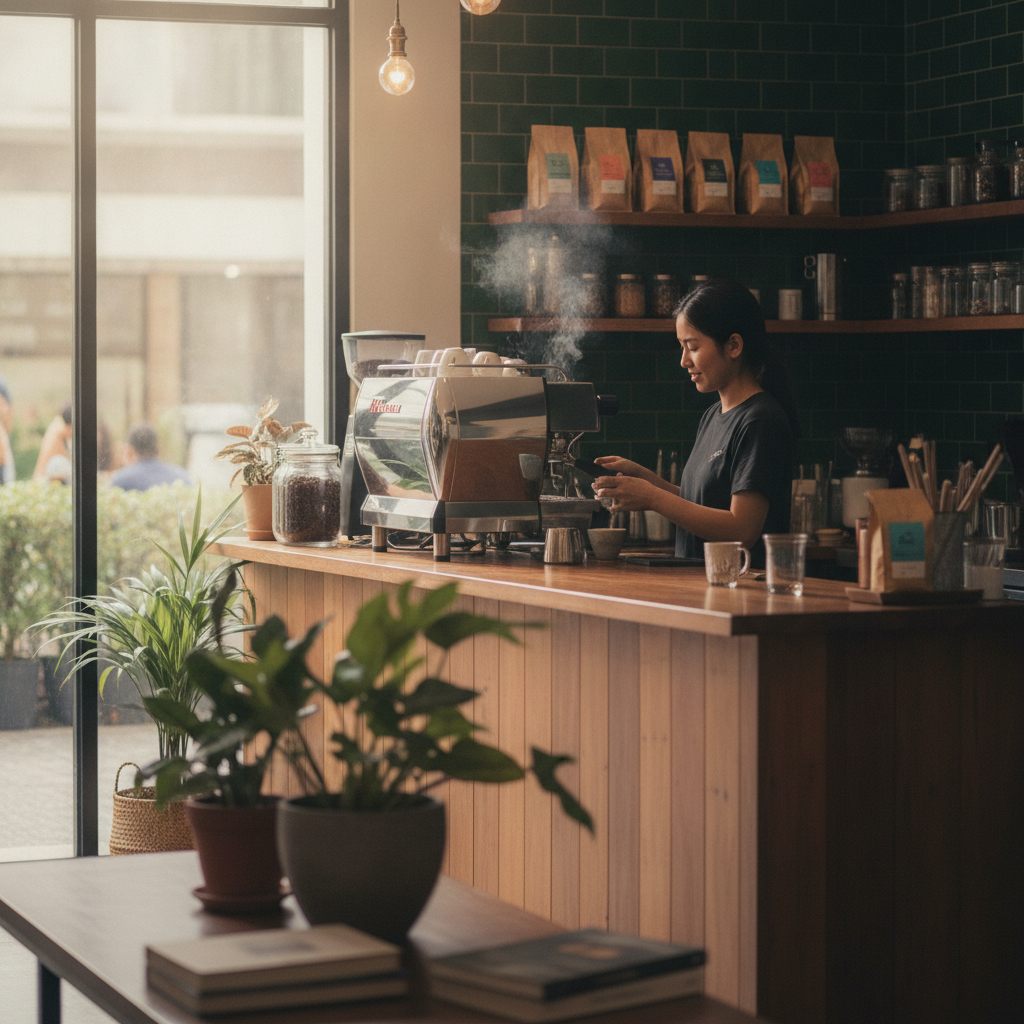 CAFE & F&BCafe website designKanopi
 SHOP & STOREOnline store website designKAMI
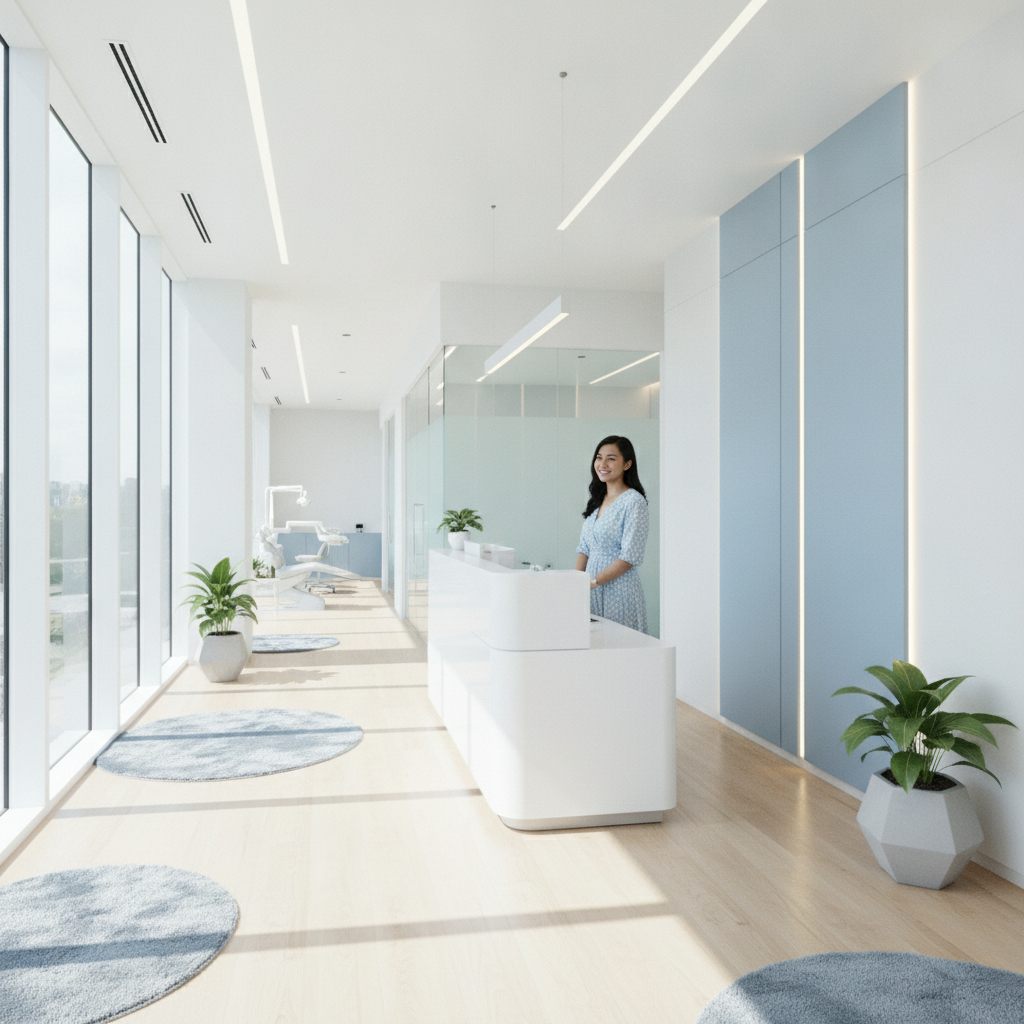 CLINIC & HEALTHDental clinic website designLumen Dental
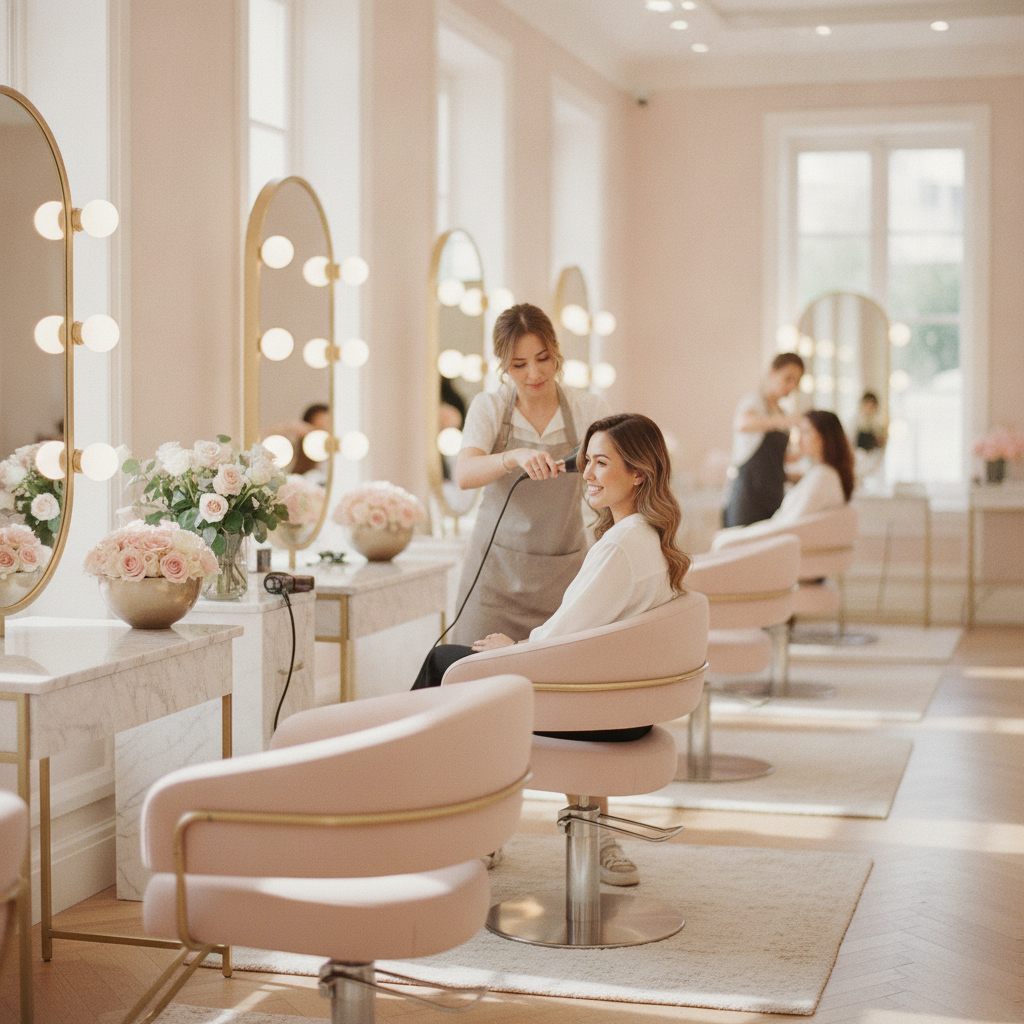 SALON & BEAUTYSalon website designBloom
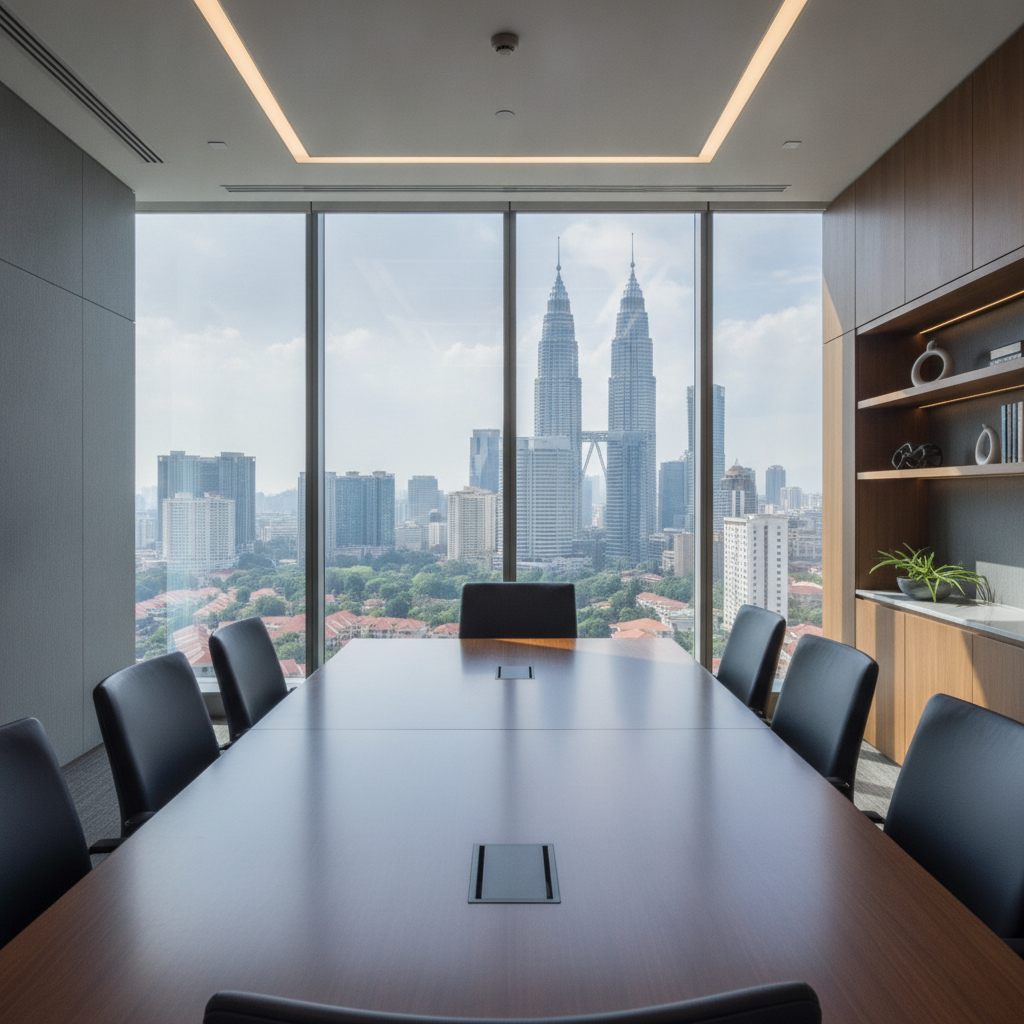 PROFESSIONAL & LEGALLaw firm website designHalim & Tan
 GYM & FITNESSGym website designGRIT
 PORTFOLIO & CREATIVEPortfolio website designSuri Amir
- ALL TRADES →